Tag: learn
Encyclopedism is the process of getting new reason, knowledge, behaviors, profession, belief, attitudes, and preferences.[1] The power to learn is demoniacal by mankind, animals, and some machines; there is also testify for some sort of encyclopaedism in certain plants.[2] Some encyclopaedism is proximate, spontaneous by a respective event (e.g. being burned by a hot stove), but much skill and knowledge lay in from repeated experiences.[3] The changes evoked by learning often last a life, and it is hard to qualify knowing material that seems to be “lost” from that which cannot be retrieved.[4]
Human encyclopedism begins to at birth (it might even start before[5] in terms of an embryo’s need for both interaction with, and freedom inside its surroundings inside the womb.[6]) and continues until death as a result of on-going interactions ’tween folk and their state of affairs. The existence and processes active in eruditeness are deliberate in many established comic (including learning psychology, physiological psychology, psychological science, psychological feature sciences, and pedagogy), as well as nascent comic of cognition (e.g. with a distributed refer in the topic of education from safety events such as incidents/accidents,[7] or in collaborative encyclopedism wellbeing systems[8]). Explore in such fields has led to the recognition of individual sorts of encyclopedism. For good example, encyclopedism may occur as a consequence of accommodation, or conditioning, conditioning or as a result of more convoluted activities such as play, seen only in relatively born animals.[9][10] Encyclopaedism may occur unconsciously or without cognizant awareness. Learning that an dislike event can’t be avoided or at large may effect in a condition named educated helplessness.[11] There is testify for human activity education prenatally, in which dependence has been determined as early as 32 weeks into gestation, indicating that the important nervous organisation is insufficiently formed and set for eruditeness and mental faculty to occur very early in development.[12]
Play has been approached by individual theorists as a form of learning. Children scientific research with the world, learn the rules, and learn to interact through play. Lev Vygotsky agrees that play is crucial for children’s evolution, since they make content of their environment through performing acquisition games. For Vygotsky, even so, play is the first form of eruditeness terminology and communication, and the stage where a child begins to realize rules and symbols.[13] This has led to a view that encyclopedism in organisms is definitely age-related to semiosis,[14] and often related to with nonrepresentational systems/activity.
LEARN OPENCV in 3 HOURS with Python | Including 3xProjects | pc imaginative and prescient
Mitteilung: Study English Tenses: PRESENT SIMPLE

Mehr zu: Let’s Be taught English | 20 Minute Present by Swati Tanwar
Easy methods to Be taught Anything FASTER
Machine Studying Full Course – Be taught Machine Learning 10 Hours | Machine Learning Tutorial | Edureka
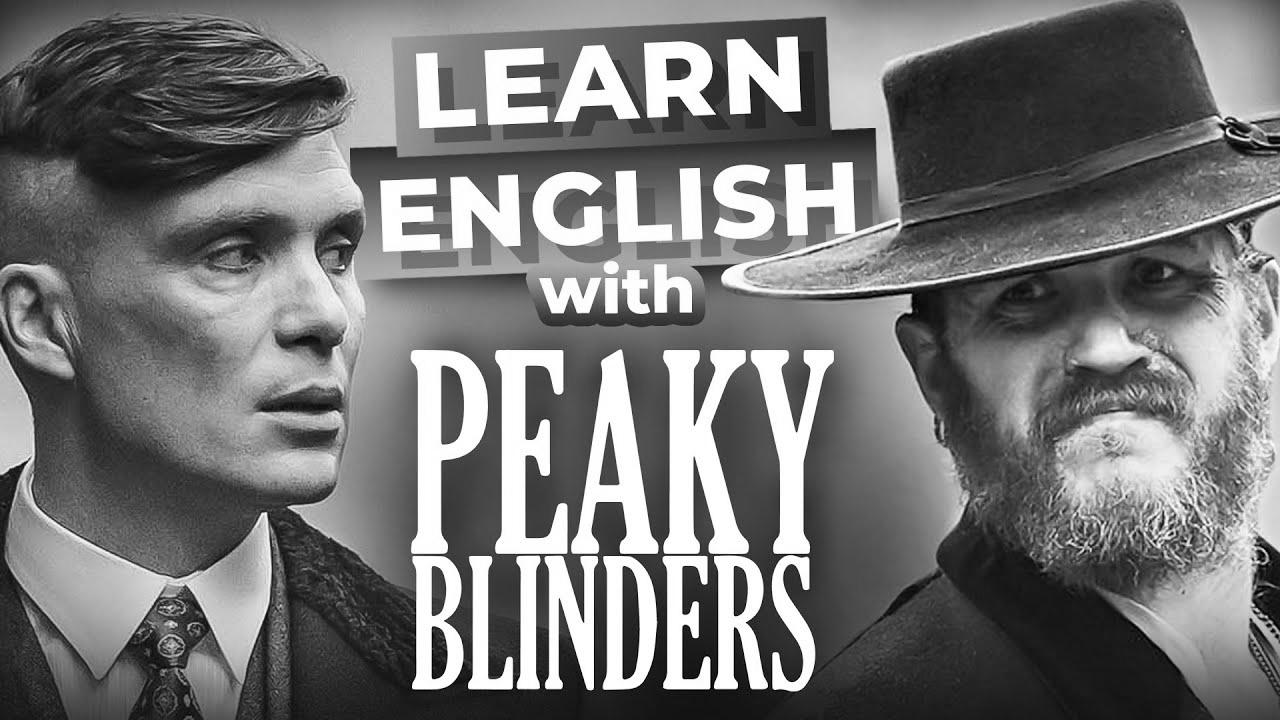
Mehr zu: Learn English with PEAKY BLINDERS | English for Negotiations
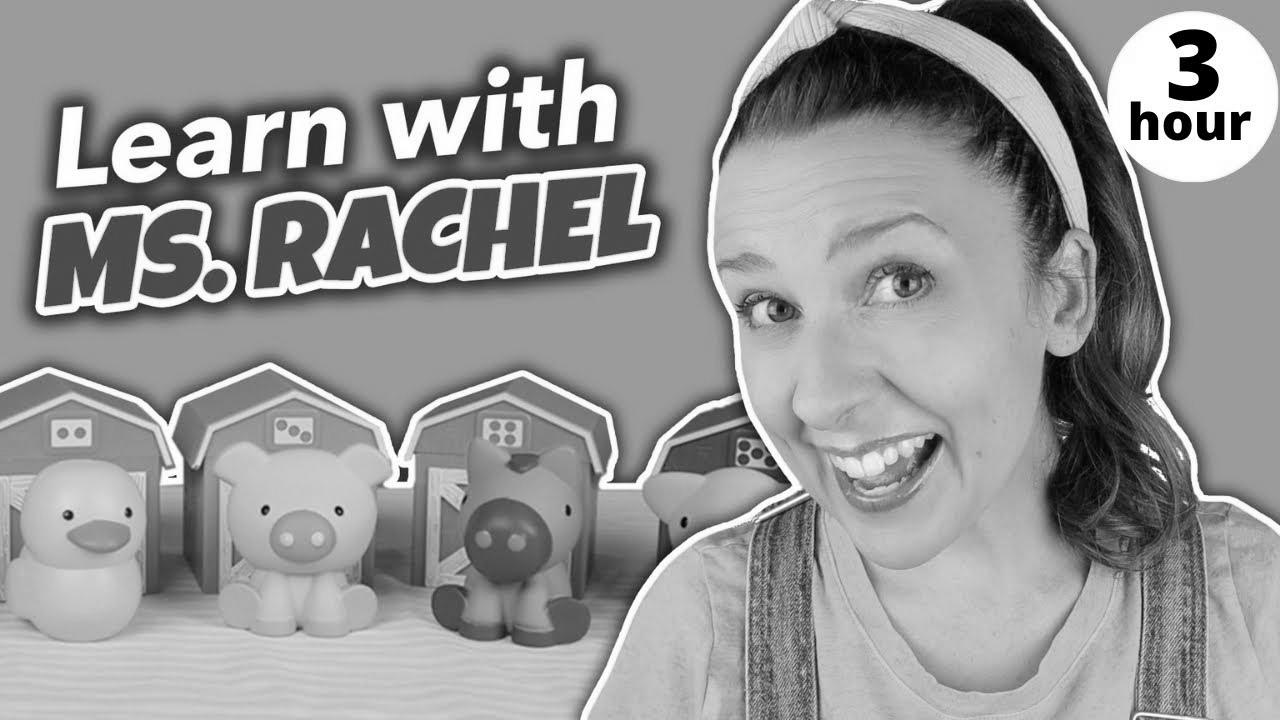
Studying Videos for Toddlers | Animal Sounds, Farm Animals, Learn Colors, Numbers, Phrases | speech
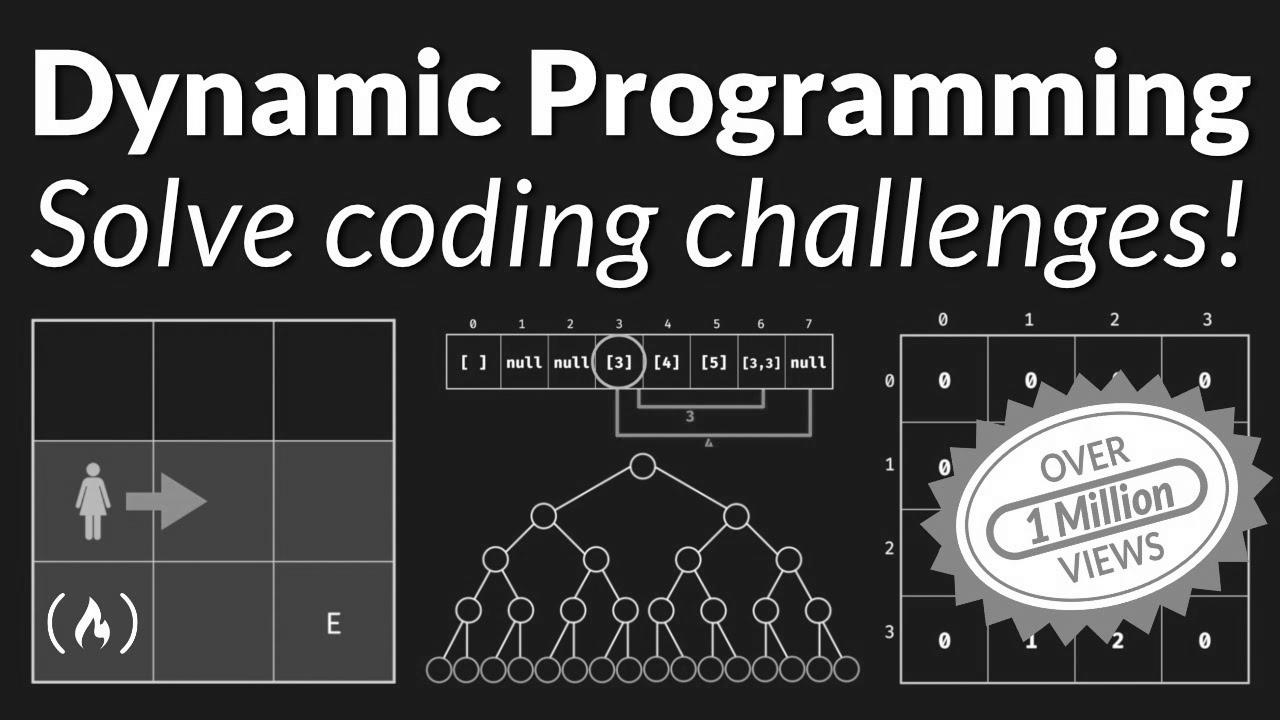
How To: Dynamic Programming – Study to Resolve Algorithmic Problems & Coding Challenges

Nachricht: Ski carving method explained in 3 minutes (easy) | study to ski